


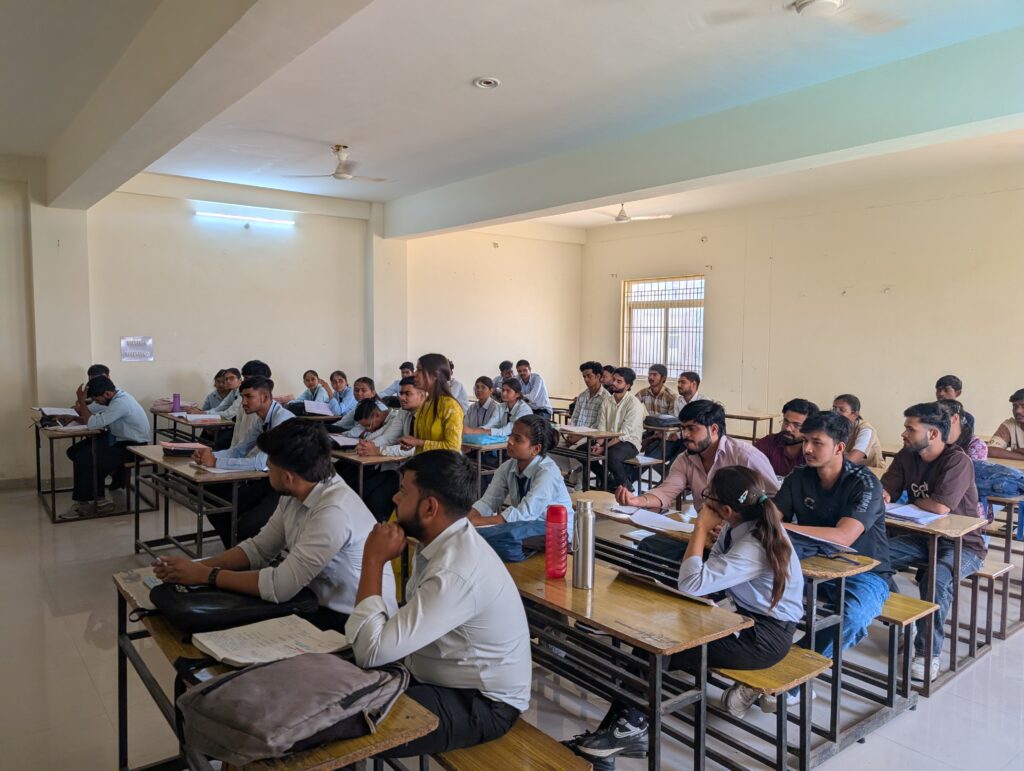
Nursing is one of the most respected and meaningful professions in the world. A good nursing college does more than teach medical skills—it shapes compassionate, confident, and responsible healthcare professionals. In today’s fast-changing healthcare environment, nursing education plays a vital role in preparing students to serve patients with knowledge, care, and dedication.
At our nursing college, we believe that education should combine theory with practical experience. Students not only learn about anatomy, physiology, pharmacology, and patient care, but also develop communication skills, empathy, teamwork, and decision-making abilities. These qualities are essential for becoming a successful nurse.
Why Nursing Education Matters
Healthcare is growing more complex every day. Hospitals, clinics, and community health centers need trained nurses who can respond quickly and professionally in different situations. A strong nursing education helps students understand how to assess patients, provide treatment support, monitor recovery, and offer emotional comfort.
Nursing is not just a job; it is a service to humanity. A trained nurse can make a real difference in a patient’s life by offering both medical care and human kindness. That is why nursing colleges must focus on quality education, discipline, and hands-on training.
What Students Learn in Nursing College
- A nursing program gives students a complete foundation for their future careers. Some of the major areas of learning include:
- Basic and advanced nursing procedures.
- Human anatomy and physiology.
- Nutrition and health education.
- Medical-surgical nursing.
- Maternal and child health nursing.
- Community health nursing.
- Pharmacology and drug administration.
- First aid and emergency care.
- Patient communication and bedside manners.
- Along with classroom learning, students also get practical exposure in laboratories and clinical settings. This helps them understand real hospital environments and prepare for professional responsibilities.
- Skills Developed During Training
- A good nurse needs more than technical knowledge. Nursing college helps students develop important life and career skills such as:
- Compassion and patience.
- Strong communication.
- Critical thinking and problem-solving.
- Leadership and teamwork.
- Time management and responsibility.
- Confidence in emergency situations.
These skills help students grow into well-rounded healthcare professionals who can work effectively in hospitals, nursing homes, schools, and community health programs.
Career Opportunities After Nursing
After completing nursing education, students can build a rewarding career in many areas of healthcare. Some popular opportunities include:
- Staff nurse.
- ICU nurse.
- Operation theatre nurse.
- Community health nurse.
- Pediatric nurse.
- Geriatric care nurse.
- Nurse educator.
- Home care nurse.
Nursing also offers opportunities for higher studies and specialization. Students can continue learning and grow into advanced roles with more experience and training.
Our Commitment to Excellence
A nursing college should be a place where students feel supported, inspired, and prepared for success. Our goal is to create an environment that promotes academic excellence, practical learning, and personal growth. We are committed to helping students become skilled nurses who can serve society with professionalism and care.
We also encourage values like discipline, responsibility, honesty, and respect. These are the qualities that build a strong healthcare professional and a better healthcare system.
Conclusion
Nursing is a noble profession that combines science, service, and humanity. Choosing the right nursing college is the first step toward a meaningful and successful career. With the right education, training, and guidance, students can become confident nurses who contribute to the health and well-being of individuals and communities.
A strong nursing college helps shape the future of healthcare by preparing dedicated professionals who are ready to make a positive difference.
This draft uses the kind of structure and clarity recommended for nursing blogs, including an engaging title, practical context, and a clear takeaway